Solutions

Energy solutions you can model in Gridcog

Gridcog is a flexible platform for simulating and optimising many different kinds of energy solutions, from utility-scale batteries, hybrid projects and solar and wind farms in front of the meter to behind-the-meter solar and storage, virtual power plants, microgrids, embedded networks and community energy. Each is modelled with its sites, assets, tariffs and participants, so you can see the value for every party.

  • 18,000+

    Energy projects modelled

  • 40+

    Markets

  • 9

    Solutions, in front of the meter and behind it

Which energy solutions can Gridcog model?

Nine solutions, in front of the meter and behind it, each combining technologies with the sites, customers and contracts around them. Choose one to see what it is, what it combines and how Gridcog has modelled it.

Utility-scale battery storage

Large standalone or hybrid battery energy storage systems (BESS) connected to the grid and operated to provide grid and market services. Gridcog models dispatch, revenue stacking across wholesale, ancillary, balancing and capacity markets, and degradation, warranties and repowering.

Technologies in this solution

Proof

Scott Bosman

Senior Energy Analyst

Two-hour price spreads in Australia's National Electricity Market (NEM) fell more than 70% year on year in autumn 2026. Gridcog Senior Energy Analyst Scott Bosman looked at how that is squeezing battery revenues to record lows (May 2026).

Co-located and hybrid projects

Co-located and hybrid projects put a battery on the same grid connection as a solar or wind farm, as a retrofit or on a greenfield site. Gridcog models the shared connection and any existing power purchase agreement (PPA) or subsidy, including negative-price clauses, and autosizes the battery against the site's prices and costs.

Technologies in this solution

Proof

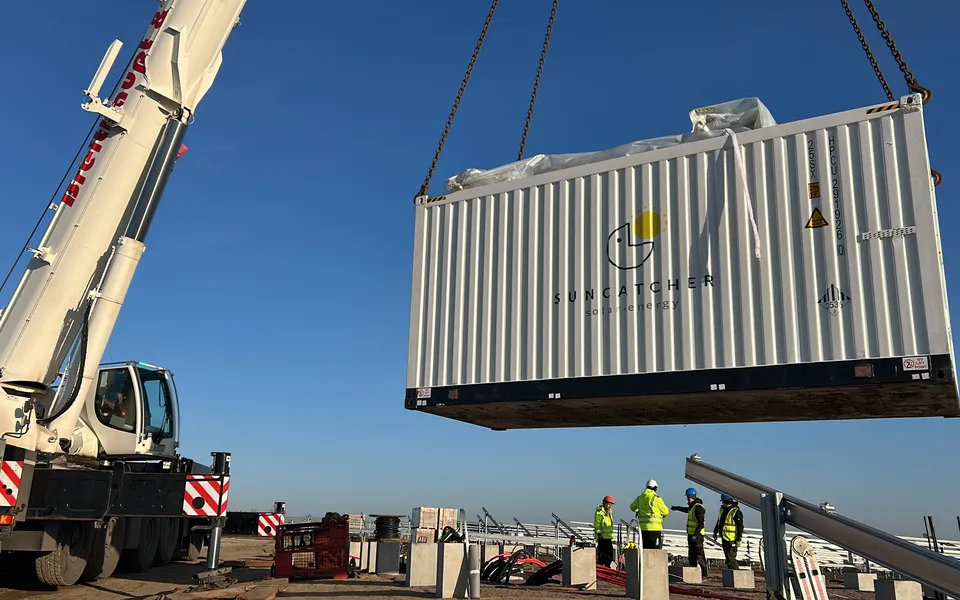
A crane lifting a battery storage container on a solar farm construction site

SUNCATCHER Engineering models standalone batteries and solar plus battery projects in Germany and Poland, with offtake structures and subsidy schemes, and modelled seven utility-scale projects in Gridcog in one month.

Solar and wind farms

Transmission or distribution-connected power systems, sometimes with co-located load or storage, selling energy through power purchase agreements (PPAs) or on a wholesale ‘merchant’ basis. Gridcog simulates their output with site weather and wind resource data, then values it against curtailment, negative prices and network tariffs.

Technologies in this solution

Proof

Daria Ekimova

Senior Energy Analyst

Gridcog Senior Energy Analyst Daria Ekimova modelled a 100 MW solar project under three German curtailment schedules of 669 to 1,160 hours a year, alone and with a co-located battery (June 2026).

Behind-the-meter solar and storage

Generation, storage and demand flexibility installed on the customer's side of the site's main meter, alongside its existing load. Typical examples are rooftop or car park solar, a commercial and industrial (C&I) battery, EV charging and flexible loads such as heat pumps. C&I batteries are typically 100 kWh to 5 MWh, at sites connected to the distribution network at low or medium voltage.

Technologies in this solution

Proof

Joshua Elliott

Energy Analyst

Gridcog Energy Analyst Joshua Elliott modelled a stadium based on Wembley: adding a 3 MW / 6 MWh battery to rooftop solar cut the match-day peak from 4.1 MW to 2.8 MW, and market earnings rose from £14,000 to £254,000 a year (June 2026).

Virtual power plants (VPPs)

A virtual power plant (VPP) is a portfolio of distributed energy resources, such as home and business batteries, rooftop solar, EVs and flexible loads, that an aggregator controls together to trade in energy markets. Each asset stays at its own site, behind its own meter, but the aggregator can offer their combined flexibility as if it were one larger plant.

Technologies in this solution

Proof

Genna Boyle

Chief Commercial Officer

NESO's Future Energy Scenarios 2025 expect almost 50% of Great Britain's total system flexibility to come from residential and commercial consumers by 2050. Gridcog Chief Commercial Officer Genna Boyle looked at why smart flexibility is critical to a net zero grid (August 2025).

Microgrids

A microgrid is a smaller electrical grid operated as a single system, with its own generation, storage and loads. Some run off-grid all the time; others connect to the main grid, and some of those can island when they need to. Microgrids have traditionally relied on diesel or gas generation for firm capacity, and solar, wind and batteries are now taking on more of that role.

Technologies in this solution

Proof

Pete Tickler

Chief Product Officer

Gridcog Chief Product Officer Pete Tickler modelled a hypothetical 100 MW data centre in Slough: a microgrid-style mix of solar, wind, storage, grid import and a genset cut 15-year costs to £795m, against £1.9bn fully grid-supplied (December 2025).

Embedded networks and private wire

An embedded network is a private electricity network that connects to the public distribution network through one parent connection point, with each customer inside it metered separately at its own child connection point. Many integrate embedded generation and storage, such as shared solar and batteries, and the network's owner or operator often sells electricity to the customers inside it.

Private wire is a direct connection between renewable generation and the loads it supplies, separate from the public network.

Technologies in this solution

Proof
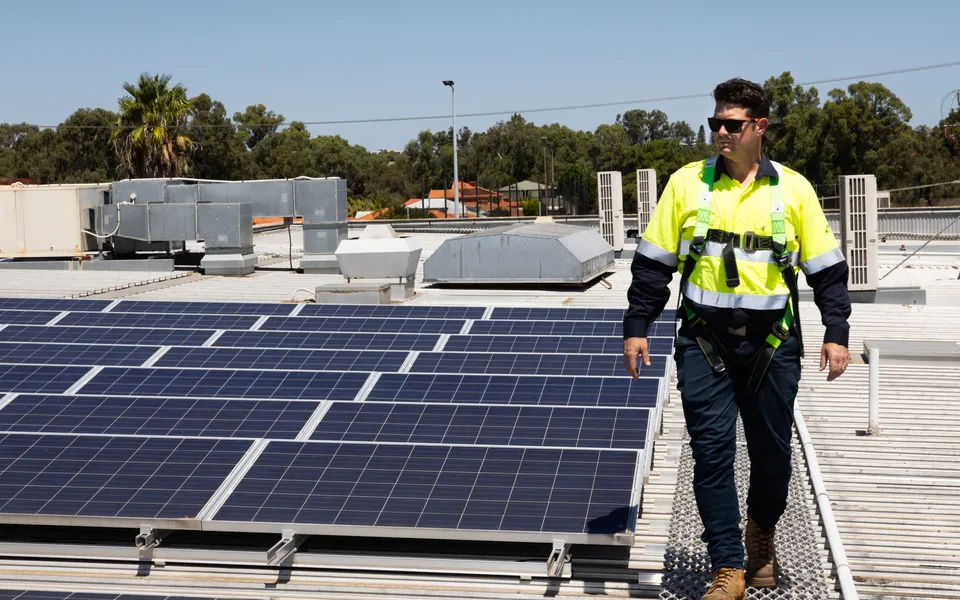
A technician in high-visibility clothing walking beside rooftop solar panels

EnergyTec, an embedded network service provider in Western Australia, handles meter reading and billing for almost 2,000 properties a month. Its team has used Gridcog to model two of the biggest property portfolios in the state.

Community batteries

A community battery, sometimes called a neighbourhood battery, is a front-of-meter battery connected to the local distribution network and operated to share value with local energy users. Instead of one household or business owning the storage, many local customers share it, alongside the network and the markets the battery trades in.

Technologies in this solution

Proof

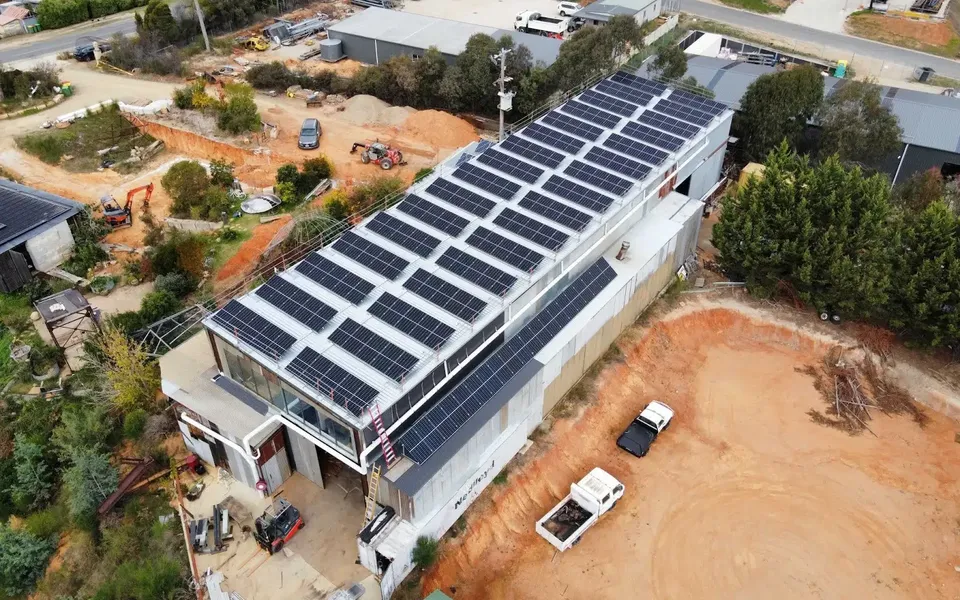
Aerial view of a building with rooftop solar beside a construction site

Community energy company Indigo Power used Gridcog to assess the new community battery tariffs some Australian networks were trialling, and to see how each tariff changed the battery's operation and financial results.

Community solar

Community solar is a solar project whose value is shared between many customers rather than used by one site, typically a small-scale solar farm that the community owns or buys into as a group. An electricity retailer often passes the value on to customers.

Technologies in this solution

Proof

Aerial view of the Djarindjin and Lombadina community grounds in Western Australia at sunset

AMPERES and Amboranj Power are using Gridcog to plan community-owned solar farms and battery storage for remote First Nations communities in Western Australia, where ageing diesel power stations are nearing the end of their lives.

01 / 09

Which technologies can you combine?

Every solution is built from technologies that Gridcog also models on their own. Each one has its own page.

Looking for EV charging networks, EV fleets or demand response programmes? They now have their own technology pages: public EV charging, fleet and depot charging, and demand response and flexible loads.

Who models these solutions in Gridcog?

Renewable developers and investors, large energy users, property owners and developers, energy suppliers and aggregators, distribution networks, data centre developers, community energy groups, embedded network operators and the consultants who advise them.

Which markets does Gridcog model?

Gridcog models 40+ electricity markets, including Great Britain, Ireland, Germany, Spain, Australia and New Zealand. Market rules, settlement logic, network tariffs and price data sit in the Gridcog Library, so a project built for one market can be rerun in another.

Which customers model these solutions in Gridcog?

From commercial solar installers to flexibility aggregators, each with a published case study.

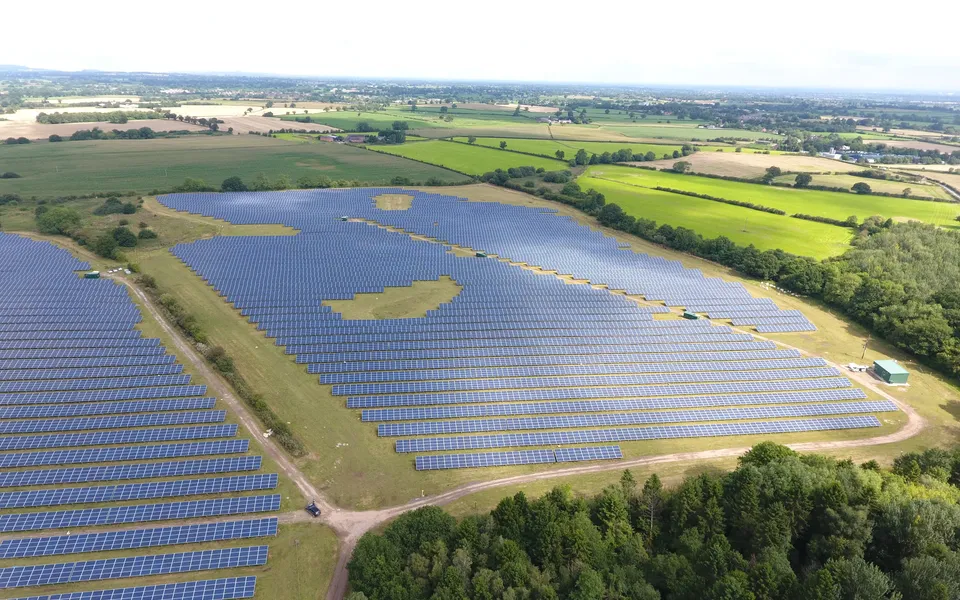
Aerial view of a solar farm in the UK countryside
Commercial and industrial solar and battery storage, UK

Sustain Commercial Solar

Uses Gridcog for over 80% of its client proposals, modelling self-consumption, wholesale trading and capacity market income.

‘We've had Gridcog for a year now, and it's more than paid for itself.’
Nick Elbourne, COO, Sustain Commercial Solar
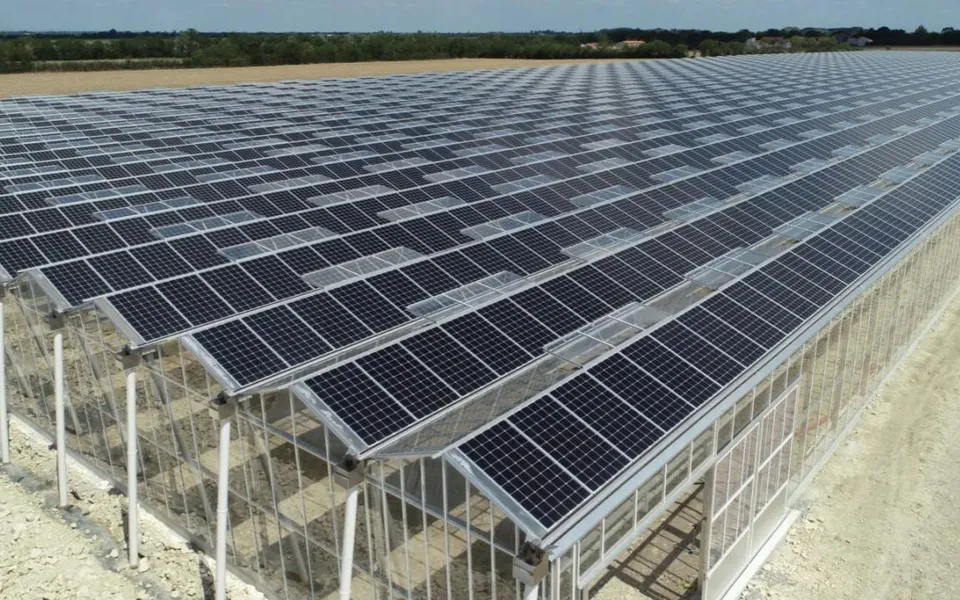
Rows of solar panels on the roof of a large glasshouse
Flexibility services for business prosumers, the Netherlands

Energy Pool

Models how its customers' batteries, combined heat and power plants and flexible loads behind the meter can earn in balancing markets, such as aFRR and FCR, and wholesale markets.

Rendering of new homes with rooftop solar beside a landscaped street
Energy engineering consultancy, New Zealand

Revolve

Uses Gridcog for community energy projects with shared assets, private networks and multiple parties, including the Mangawhai Hills development of about 700 homes.

Office towers and older buildings in central London
Clean energy partner for real estate, UK

Carb0n

At a retail outlet where the landlord controls the energy supply, modelled 3.5 MW of solar car ports with a 4 MWh battery.

‘The centralised energy control allowed us to create value for the landlord that would not have been possible if individual tenants managed their own supply.’
Peter Massie, Head of UK, Carb0n
Aerial view of a town and farmland in the UK countryside
Net zero consultancy, UK

Net Zero Advisory

Uses Gridcog to show public and private sector clients how solar and battery storage perform together, for peak shaving, smart charging and other behind-the-meter benefits.

Request a live demo

Model your project in Gridcog

Request a demo and we'll show you how Gridcog models the sites, assets and customers in your solution.

The team behind Gridcog

Fabian Le Gay Brereton, Chief Executive Officer and Co-Founder of Gridcog

Fabian Le Gay Brereton

Chief Executive Officer & Co-Founder

Previously co-founded Greensense, acquired by ERM Power (now Shell Energy).

Pete Tickler, Chief Product Officer and Co-Founder of Gridcog

Pete Tickler

Chief Product Officer & Co-Founder

Co-founded Greensense and led digital innovation at ERM Power (now Shell Energy).

Genna Boyle, Chief Commercial Officer and Head of EMEA at Gridcog

Genna Boyle

Chief Commercial Officer & Head of EMEA

More than 10 years in energy strategy, trading and renewables, with senior roles at Battery Optimiser and Limejump.